
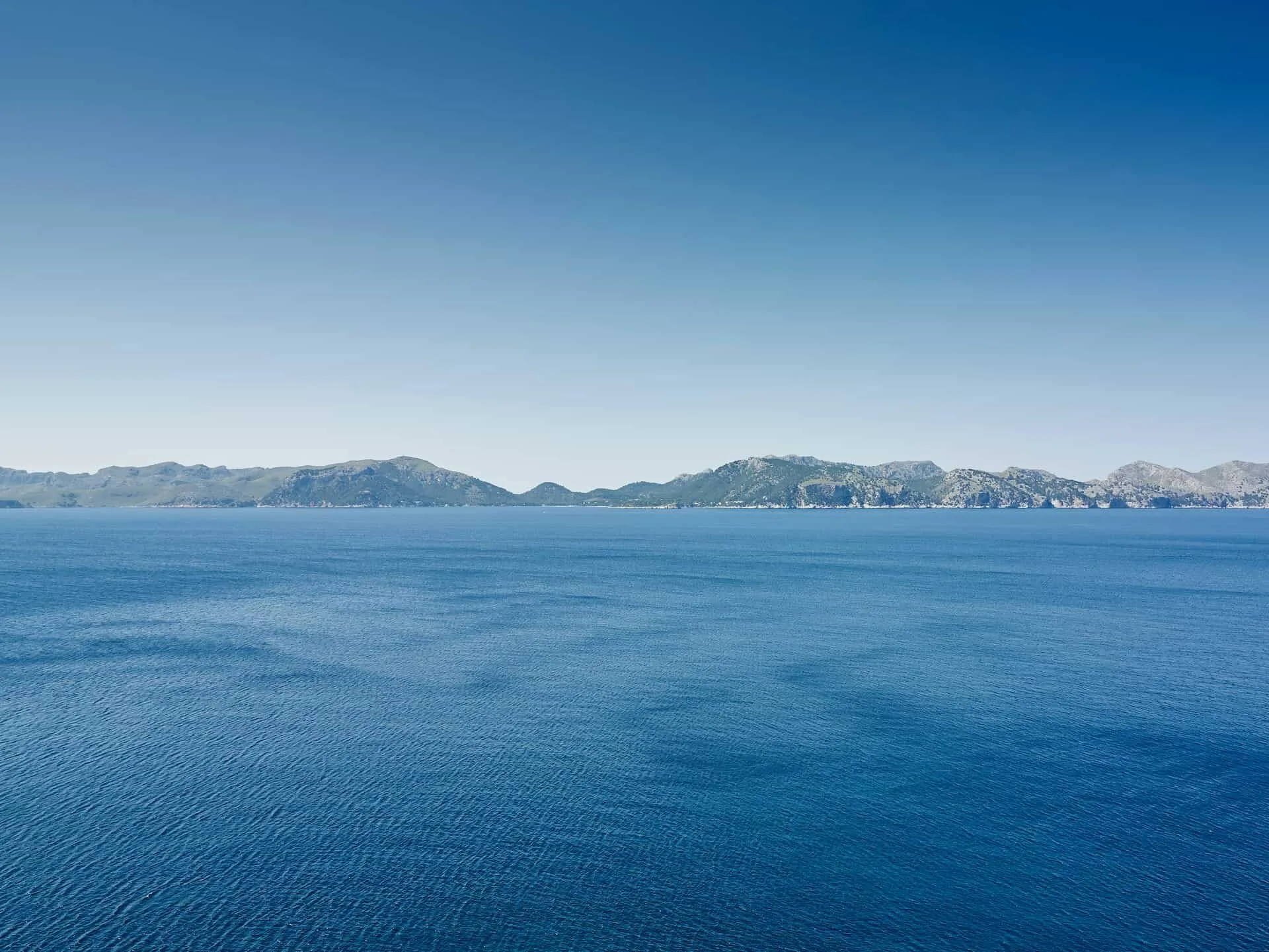
Mallorca is not just the largest of the Balearic Islands; it is a universe of contrasts where rugged mountains melt into a sea of impossible colors. With over 300 inlets scattered along its coastline, the Calas de Mallorca represent some of Europe’s greatest natural heritage. From virgin sandy beaches with shallow waters to tiny tongues of sea tucked between dizzying cliffs, the island offers a refuge for every type of traveler.
In this guide, we explore the most iconic areas of the Mallorcan coast, providing practical details so that your visit to these paradises is an experience of true disconnection and respect for the environment.
¡We are Breathspiration!
Calas de la Sierra de Tramuntana
The northwestern coast of Mallorca, dominated by the Sierra de Tramuntana (a UNESCO World Heritage Site), offers a landscape radically different from the rest of the island. Here, the terrain is steep and geology takes center stage. These Calas de Mallorca are usually made of stone or gravel, which guarantees exceptional water visibility—ideal for diving or simply contemplating the seabed.
Sa Calobra and the Torrent de Pareis
This is, without a doubt, one of the most powerful and energetic spots in Mallorca. It is not just a beach; it is the mouth of an impressive natural canyon. To get there, you pass through tunnels carved into the rock that open up into a small bay flanked by two vertical walls over 200 meters high. The echo of the sea crashing against the pebbles creates a unique atmosphere of introspection. It is a place where nature shows itself in its purest and most potent state.
Cala Tuent
Located at the foot of Puig Major, the island’s highest peak, you will find this haven of peace. Unlike its neighbor Sa Calobra, Cala Tuent is usually much more sheltered from the crowds. Its horseshoe shape and seabed of multicolored stones turn it into a mirror of turquoise and emerald green waters. It is the ideal spot for those seeking absolute silence and the shade of pine trees that reach almost to the shore.
Cala Sant Vicenç
ocated near Pollença, this enclave is made up of four small coves: Cala Barques, Cala Clara, Cala Molins, and Cala Carbó. What makes this place special is the imposing presence of Cavall Bernat, a sharp-edged cliff that lights up with orange tones at sunset. Its waters are famous for their transparency, allowing you to see the Posidonia oceanica seagrass in all its splendor.
Caló des Moro and S’Almonia (Santanyí)
These two sister coves are perhaps the most photographed on the island. Caló des Moro is a stretch of crystal-clear water tucked between rocks, with a white sand bottom that highlights the bright turquoise. On the other hand, S’Almonia retains the charm of old fisherman shelters, with small ramps for boats and rocks that invite you to jump into the water. Due to their great beauty and small size, we recommend visiting in the early hours of the day to appreciate their essence without interruptions.
Cala Varques (Manacor)
Located in the east, this virgin cove remains a symbol of the most authentic and wild Mallorca. Since there is no paved access to the shore (it requires about a 20-minute hike on a rustic trail), it has managed to stay away from urban development. It is famous for its underwater caves and a natural rock arch that rises over the sea—a geographical landmark that attracts lovers of photography and untouched nature.
Experiencing the Calas de Mallorca
To make your day on the coast perfect, we suggest keeping in mind a few technical factors that locals know well:
- The wind rule: The state of the sea in Mallorca depends entirely on the wind direction. An essential trick: if the wind blows from the North (Tramuntana), the southern Calas de Mallorca will be as calm as a mirror. If the wind blows from the South (Migjorn), it’s time to explore the North. Checking the forecast before heading out is key.
- Sustainability and Posidonia: Many coves have accumulations of dry leaves on the shore. This is Posidonia oceanica, a marine plant vital to the ecosystem that keeps the water clean and prevents beach erosion. Respecting its presence is fundamental for the health of the Mediterranean.
- Essential gear: In the coves of the Sierra de Tramuntana, the use of water shoes (reef shoes) is practically indispensable due to the rocky terrain. Also, keep in mind that virgin coves usually lack restaurant services, so bringing enough water and sun protection is vital.
Discorver the Breathspiration experience
At Breathspiration, we understand that contemplating the Calas de Mallorca is just the beginning of a much deeper connection with the environment. Our vision of well-being moves away from superficial visits to propose a total immersion into the Mediterranean lifestyle.
That is why we invite you to discover our Mediterranean retreats, designed for you to achieve that real disconnection you are looking for in a unique setting. If you feel it is time to pause, breathe, and reconnect, we would be delighted to accompany you on this journey.
